UP TO THE MINUTE









Choosing the right low-slope roof
By Jesse Sanchez.
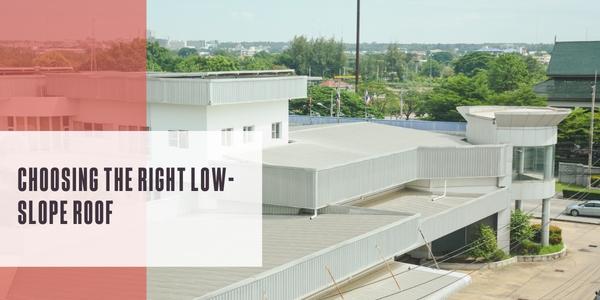
Building use, existing conditions and moisture assessments all play a role in selecting a low-slope roofing system.
Choosing a low-slope roofing system requires more than matching products to climate. MuleHide emphasizes that a building’s purpose, operating conditions and existing roof assembly can all influence which system is best suited for long-term performance. Different buildings can have very different needs even when they share the same environment. An office building in a cooler climate, for example, may benefit from a black EPDM roof that absorbs more solar energy, while a hospital with significant internal heat loads may be better suited for a reflective white TPO roof.
Manufacturing facilities also require attention to building movement because machinery can create vibration that affects the roof system. Restaurants and food processing facilities introduce another consideration: exposure to grease, oils and animal fats, which can damage some membranes over time.
Existing roofs require additional investigation before contractors determine whether to recover, coat or replace them. A visual inspection can identify conditions such as open seams, ponding water, damaged membrane, deteriorated flashings and wet insulation or substrates.
Moisture surveys provide a deeper look at roof conditions. Contractors can use core cuts to examine the roof assembly or nonintrusive technologies such as surface meters, infrared cameras, electronic leak detection and nuclear resonance imaging to identify potential moisture. When scans reveal wet areas, core samples can help confirm the findings and determine the extent of saturation.
Coating projects also require an adhesion test to determine whether the coating is compatible with the substrate and whether underlying conditions could interfere with performance.
Together, these assessments give contractors the information needed to match a system to the building’s location, purpose and existing conditions while identifying repairs or alterations needed before work begins.
Learn more about selecting the right low-slope roofing system with MuleHide!
Learn more about MuleHide Products in their Coffee Shops Directory or visit www.mulehide.com.
About the author

Jesse is a writer for The Coffee Shops. When he is not writing and learning about the roofing industry, he can be found powerlifting, playing saxophone or reading a good book.
Recommended For You
New premium coatings transforming roofs
Read More ...
Meet the Industry’s First Fluid-applied Roof Coating Brand - UNIFLEX®
Read More ...
Explore the coating products of the future
Read More ...
UP TO THE MINUTE




Comments
Leave a Reply
Have an account? Login to leave a comment!
Sign In