










Building a stunning high-rise deck
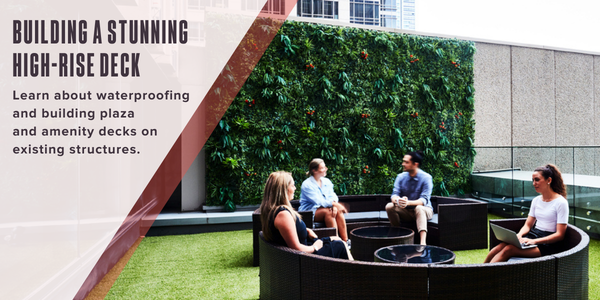
By Mike Bader, Tremco.
Learn about waterproofing and building plaza and amenity decks on existing structures.
Summer is just around the corner and one of the best ways to enjoy it is outdoors. And for those who live in cities, finding green space can be a challenge. This limited access is why many people in high-rise cities are drawn to apartments with plaza decks that offer them an outdoor oasis in the form of lush patios, swimming pools and even dog parks.
With such a high demand, these amenity decks are a great way to add value to your building. But adding these features isn't simple, especially if you’re adding one to a structure that was not initially constructed to bear the weight or moisture that comes with added greenery and water. In this article, we’ll dive into three key considerations related to building a rooftop deck that is waterproof and structurally sound.
1 – Managing greenery
Whether in the form of planters, flowers or trees, new greenery on a plaza deck will introduce a significant amount of water and weight to the structure. The building owner and members of the design/build team should consult with other trades prior to adding any new vegetation to mitigate potential damage. A waterproofing specialist, such as Tremco’s technicians, can review the existing structure for proper water drainage and recommend the addition of drains, application of a waterproofing membrane or any other necessary building changes. An engineer can then assess if the structure can hold the anticipated weight.
2 – Adding a pool or hot tub
Swimming pools and hot tubs on plaza decks pose added waterproofing hazards due to the constant presence of water and chlorine. Drains may become clogged with debris which can add to the potential of ponding water on the deck’s surface. Facility managers should routinely check for any cracking of the finish which may indicate a waterproofing or structural concern.
Generally speaking, sealants are typically installed with a concave design. However, on the perimeter surrounding a body of water, this shape can hold the water on the surface of the sealant. A high concentration of chlorine or other chemical can damage the sealant after prolonged exposure. At this location, sealants should instead be installed flush to minimize surface water. Sealants should be inspected annually, so if you notice damage or discolored sealant, a tear out and recaulk is recommended.
3 – Designing a dog park
Rooftop dog parks can include pathways, large fenced-in dog runs and dedicated relief areas. While seemingly harmless and lightweight, water is needed to clean the surfaces and dispose of waste. A waterproofing specialist can help determine the necessary slope of the deck to accommodate sprinklers and other drainage systems. They will look for improperly sealed penetrations, such as those for plumbing or electrical, which could cause leaks from the added water.
In addition, if grass or astroturf material is not properly secured to the substrate, moisture could become trapped beneath the surface. And since some waterproofing membranes break down when exposed to the chemical composition of animal waste, any extended exposure could compromise the system.
Conclusion
The addition of greenery, pools, hot tubs or dog parks to a plaza deck is not as simple as it might sound. It is critical that owners work with waterproofing specialists and engineers to determine any modifications needed for the proposed design. Always err on the side of caution, as bypassing this step can lead to costly water intrusion and structural issues.
Original article and photo source: Tremco
Learn more about Tremco in their Coffee Shop Directory or visit www.tremcoroofing.com.
Recommended For You
The Everest advantage
Read More ...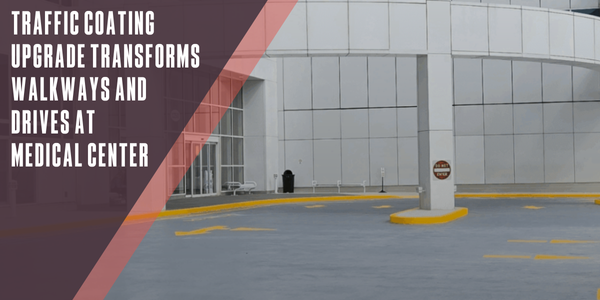
Traffic coating upgrade transforms medical center’s walkways
Read More ...
Cooling roofs around the world for decades
Read More ...
UP TO THE MINUTE






Comments
Leave a Reply
Have an account? Login to leave a comment!
Sign In