











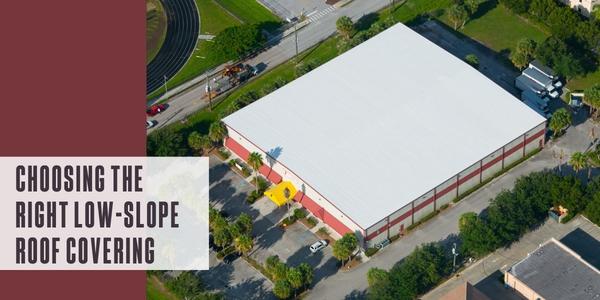
Choosing the right low-slope roof covering
By Jesse Sanchez.
Built-up roofing, modified bitumen, single-ply membranes and fluid-applied systems each offer distinct advantages for low-slope roofing projects.
Understanding how each component works together is key to selecting the right low-slope roofing system. MuleHide compares the assembly to an open-faced sandwich, with the roof deck serving as the bread, insulation or cover board as the meat and the roof covering as the final layer. For that top layer, contractors and building owners can choose from four primary options: built-up roofing, modified bitumen, single-ply membranes and fluid-applied systems.
Built-up roofing (BUR), the oldest option, uses alternating layers of hot asphalt and fiberglass reinforcing fabric. Its redundant construction creates a durable, low-maintenance surface, although newer systems have become more common because they are generally easier to install.
Modified bitumen, often called mod bit, updates the BUR concept with polymer-modified asphalt sheets. Styrene-butadiene-styrene (SBS) membranes remain flexible in cold conditions, making them suited to northern climates. Atactic polypropylene (APP) membranes offer greater resistance to heat, punctures and foot traffic, making them a stronger option for southern climates. Cap sheets may be self-adhering or torch-applied.
Single-ply systems, including ethylene propylene diene monomer (EPDM), thermoplastic polyolefin (TPO) and polyvinyl chloride (PVC), are the dominant low-slope choice today. These lightweight membranes can be mechanically attached, fully adhered or ballasted. EPDM is commonly black and uses taped seams, while TPO and PVC membranes are heat welded and typically white in color. White membranes can also reflect solar energy, helping lower rooftop and interior temperatures.
Fluid-applied acrylic and silicone coatings can extend the service life of a sound existing roof while reducing landfill waste. Silicone performs better during occasional ponding water and humid conditions, while acrylic often costs less and cures faster in dry climates. Before coating, contractors must evaluate the roof and repair leaks, saturated insulation or other existing problems.
Learn more about MuleHide Products in their Coffee Shops Directory or visit www.mulehide.com.
About the author

Jesse is a writer for The Coffee Shops. When he is not writing and learning about the roofing industry, he can be found powerlifting, playing saxophone or reading a good book.
Recommended For You
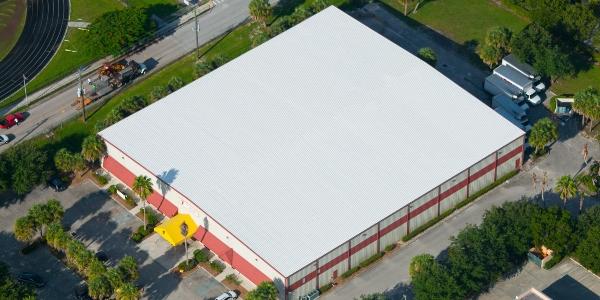
Silicone versus acrylic coatings
Read More ...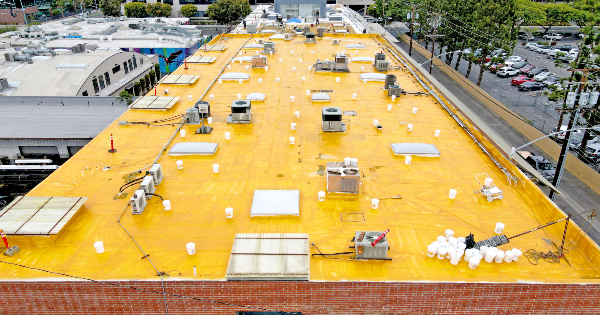
How these roof coating companies are transforming the industry
Read More ...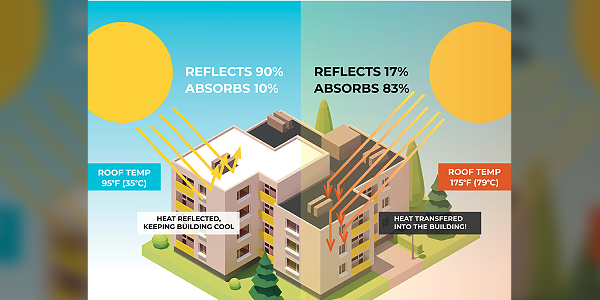
Save energy and money with APOC roof coatings
Read More ...
UP TO THE MINUTE





Comments
Leave a Reply
Have an account? Login to leave a comment!
Sign In