UP TO THE MINUTE







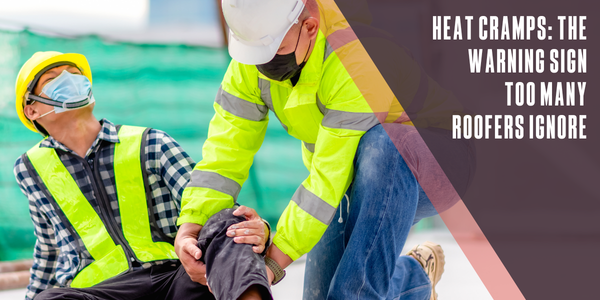
Heat cramps: The warning sign too many roofers ignore
By Cotney Consulting Group.
Ignoring heat cramps doesn't demonstrate strength. It increases the likelihood that the body's cooling system will continue to deteriorate.
Every experienced roofer has probably seen it happen. A crew member suddenly stops what they're doing and grabs the back of their leg. Maybe it's a calf muscle. Maybe it's a forearm after carrying bundles or operating equipment. They stretch for a minute, take a drink of water, laugh it off and get right back to work.
Most crews think the problem has passed. In reality, the problem may just be beginning.
Heat cramps are often treated as a minor inconvenience, but they should never be dismissed. They are one of the body's earliest warning signs that it is struggling to maintain normal function in high temperatures. While the cramp itself may seem harmless, it can signal dehydration, electrolyte loss, muscle fatigue and the beginning stages of heat-related illness. For roofing contractors, recognizing that warning early can make the difference between a brief recovery break and a medical emergency.
More than just a muscle cramp
Roofing is one of the most physically demanding occupations in construction. Crews work in direct sunlight, on surfaces that can reach temperatures well above the surrounding air, while lifting, carrying, climbing andmaintaining constant balance. The body loses significant amounts of water through perspiration, but it also loses sodium, potassium and other electrolytes that allow muscles to function properly.
When those electrolytes become depleted, muscles begin to cramp. Unfortunately, many roofers don't view cramps as a warning. They view them as part of the job. That mindset is one of the biggest challenges safety professionals and field supervisors face today.
Toughness can become a liability
The roofing industry has always valued hard work and perseverance. Those qualities help crews complete difficult projects under demanding conditions. However, there are times when toughness works against us. Too many experienced roofers believe they should "push through it." They stretch the muscle, take another drink of water and continue working because production still needs to be completed.
The problem is that the body has already started telling them something important. Ignoring heat cramps doesn't demonstrate strength. It increases the likelihood that the body's cooling system will continue to deteriorate. As dehydration progresses and electrolyte levels continue to fall, heat exhaustion and, eventually, heat stroke become much more likely. By the time those more serious symptoms appear, the situation has become far more difficult to manage.
Supervisors need to recognize the first warning
One of the responsibilities of every foreman is observing the crew — not just the work being performed. When someone begins cramping, that should trigger questions.
- How long has that employee been working?
- When was their last break?
- How much water have they consumed?
- Have they replaced electrolytes or only water?
- Are they showing any other signs of heat stress such as unusual fatigue, confusion, dizziness or irritability?
These conversations shouldn't wait until someone collapses. Experienced supervisors understand that small changes in worker behavior often appear long before a medical emergency develops. Paying attention to those early indicators allows intervention before the situation escalates.
Water isn't always the complete answer
Hydration is essential, but hydration alone isn't always enough. Many workers believe that drinking large amounts of water solves every heat-related problem. While replacing fluids is critical, prolonged sweating also removes electrolytes that water alone cannot restore.
During extended periods of high heat, especially on physically demanding roofing projects, contractors should encourage workers to replenish both fluids and electrolytes throughout the day. Proper nutrition also plays an important role. Employees who skip breakfast, rely on energy drinks or consume excessive caffeine place themselves at an even greater disadvantage before the workday has truly begun.
Heat safety starts well before the first ladder is climbed.
Planning reduces heat stress
The best roofing companies don't wait until someone begins cramping to think about heat. They adjust operations before the day starts. That may include beginning work earlier during periods of extreme heat, rotating physically demanding assignments throughout the day, scheduling additional recovery breaks or increasing supervisory observation during the hottest afternoon hours.
New employees deserve particular attention. Their bodies often haven't adapted to prolonged work in high temperatures, making them significantly more susceptible to heat-related illnesses during their first several weeks on the job.
Planning for heat is no different than planning for fall protection or material staging. It's another operational decision that protects both employees and productivity.
Building a different safety culture
One of the biggest changes I've seen throughout my career is the industry's willingness to discuss safety more openly. Years ago, admitting you needed a break because of the heat was sometimes viewed as weakness.Today's best contractors understand that speaking up is a sign of professionalism.
Crew members should feel comfortable telling a supervisor when they're beginning to cramp or when they notice a coworker struggling. Those conversations should be encouraged — not criticized.
The goal isn't simply to prevent heat illness. It's to build a culture where workers recognize warning signs early and trust that management will support the right decision.That kind of culture protects people long before emergency medical services are ever needed.
Final thoughts
Heat cramps rarely make headlines. They don't seem dramatic, and they're often forgotten within a few minutes. That may be exactly why they're so dangerous. They are one of the body's first opportunities to tell us that something isn't right.
The roofing companies that consistently protect their people understand that small warning signs often precede serious incidents. They don't wait for heat exhaustion or heat stroke to take action. They recognize the first signal, respond appropriately and make protecting their crews more important than pushing through another hour of production.
The safest roofing companies aren't the ones that work the hardest in the heat. They're the ones that know when it's time to stop, recover and make sure everyone goes home healthy at the end of the day.
Learn more about Cotney Consulting Group in their Coffee Shop Directory or visit www.cotneyconsulting.com.
Recommended For You
SRS delivers storm-ready supplies
Read More ...
Keeping crews productive year-round with roof restoration
Read More ...
Roofing resilience to protect against nature’s unpredictable forces
Read More ...
UP TO THE MINUTE




Comments
Leave a Reply
Have an account? Login to leave a comment!
Sign In