UP TO THE MINUTE










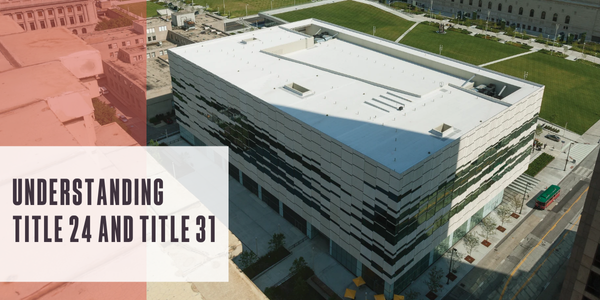
Understanding Title 24 and Title 31
By Jenny Yu.
From stricter reflectivity requirements to smarter energy use, CertainTeed is helping builders meet evolving codes and deliver sustainable solutions to create a more livable world.
When it comes to sustainable building and roofing design, few states set the standard like California. But what exactly are Title 24 and Title 31, and why do they matter for contractors, building owners and manufacturers? This is what The Coffee Shops™ Senior Writer Dani Sheehan and I set out to learn when we spoke with Jonathan Schulz, district sales manager for commercial roofing at CertainTeed.
Jonathan began by explaining that Title 24 is part of the California Building Standards Code, which sets minimum energy efficiency requirements along with other construction standards. The regulation first emerged in response to the energy crisis of the late 1970s. “We had the oil embargo with Iran, when energy costs were going through the roof,” Jonathan explained. “California looked at itself and said, ‘We have to somehow make energy more affordable.’ The best way we can do that is by enforcing energy efficiency when it comes to buildings.”
To achieve that, California was divided into 16 climate zones, each with its own energy code requirements based on local temperature patterns and environmental conditions. This zoning ensures that a building in a desert climate in Southern California doesn’t have the same energy standards as one in the Bay Area.
As energy demands evolve, so have California Green Building Standards. Title 31, also known as the cool roofs code established in 2018 in Los Angeles County, was built on the foundation of Title 24 by introducing more stringent energy efficient measures — particularly around a roof’s ability to reflect heat. Title 31 requires certain roofing materials to be more reflective to combat the urban heat island effect, where dark surfaces like asphalt and concrete absorb heat and increase surrounding temperatures by as much as 20 to 30 degrees.
“Title 31 is Los Angeles County’s rulebook for building cooler, greener and cleaner buildings — especially roofs that reflect sunlight to save energy and fight city heat,” Jonathan said. “It made requirements stronger to bring down energy costs and cooling costs. They update it every three years. As technologies change and temperatures get warmer, code needs to be more stringent. We need to make buildings more efficient.”
These codes don’t just benefit the environment; they improve the comfort and cost-efficiency of the spaces people live and work in. “The overall goal of California’s codes is to make buildings more efficient so that our communities are more livable,” Jonathan added. “If you can reflect heat off a roof, then you don't need as much insulation, you don't need to run your air conditioning unit as much and you're able to really cut down on your energy costs.”
To help realize the goal making spaces more livable, CertainTeed has developed roofing products like their Flintlastic® GTA CoolStar® Ultra and Flintlastic GTA-FR CoolStar Ultra, both of which meet Title 24 and Title 31 requirements while providing a durable, reflective roofing solution that supports long-term energy savings. CertainTeed is further expanding the CoolStar Ultra family with the upcoming launch of Flintlastic SA Cap CoolStar Ultra and Flintlastic SA Cap FR CoolStar Ultra to give building owners and contractors even more choices to help their projects achieve code compliance.
While Title 24 and Title 31 are specific to California, they are inspiring cities in other states, including Texas and Florida, to develop codes that require more energy-efficient buildings. CertainTeed and its parent company Saint-Gobain stand at the forefront of innovative technologies that demonstrate their commitment to building a more sustainable future and “making the world a better home.”
Learn more about CertainTeed’s innovative advancements and energy-efficienct solutions.
Learn more about CertainTeed, LLC in their Coffee Shop Directory or visit www.certainteed.com.
About the author

Jenny Yu is a writer for The Coffee Shops™. When she's not writing, she loves visiting cozy coffee shops & bookstores, playing basketball, learning about oral history and spending time with loved ones.
Recommended For You
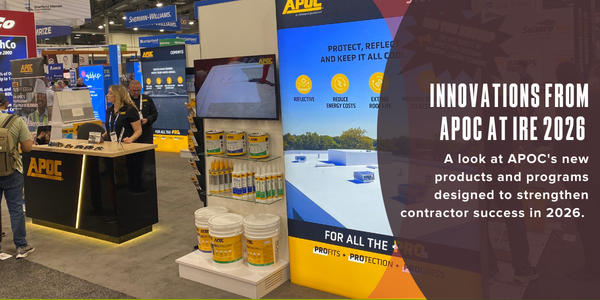
Innovations from APOC at IRE 2026
Read More ...
New cool surfaces toolkit site provides public with resources and knowledge base
Read More ...
Build faster, build smarter with bolt-up buildings
Read More ...
UP TO THE MINUTE





Comments
Leave a Reply
Have an account? Login to leave a comment!
Sign In