





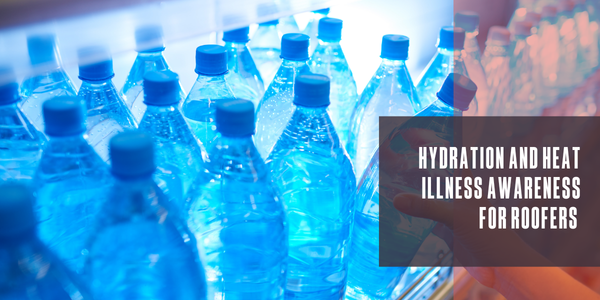
Hydration and heat illness awareness for roofers
By Cotney Consulting Group.
The key isn’t waiting for heat illness to strike. It’s building a culture of prevention from day one.
Roofing in hot weather is more than just uncomfortable; it can be dangerous. With high temperatures, direct sun exposure and physically demanding labor, roofers face serious risks from heat-related illnesses. These risks can escalate quickly if crews aren’t properly educated, hydrated and monitored.
Hydration and heat illness awareness aren’t just seasonal reminders; they’re essential safety practices that should be emphasized daily, especially during the warmer months. Knowing the warning signs, prevention methods and emergency responses can protect lives, keep projects on schedule and reduce liability.
Here’s what every roofing contractor and crew member needs to know to stay safe when the heat is on.
Why roofers are at higher risk
Unlike many other trades, roofing crews often work in full sun, on reflective or dark surfaces and at elevations where wind exposure may offer little relief. Rooftop temperatures can easily exceed 120°F during peak summer conditions.
Key risk factors include:
- High ambient temperatures
- Direct sun exposure
- Heat-retaining materials like asphalt or metal
- Physically demanding labor
- Protective gear and clothing that reduces sweat evaporation
- Limited shade or cooling areas
Combine these factors with dehydration or poor acclimatization, and you have a perfect storm for heat illness.
Understanding heat-related illnesses
Heat illnesses vary in severity. Recognizing the symptoms early is critical to preventing more serious conditions.
1 - Heat rash
Small red bumps or irritation caused by blocked sweat ducts. While mild, it can become infected or worsen discomfort.
What to do: Keep the area dry, wear breathable clothing and allow for skin ventilation.
2 - Heat cramps
Painful muscle spasms, usually in the legs or abdomen, due to salt and fluid loss.
What to do: Rest in a cool place, hydrate with electrolyte-replenishing drinks and gently stretch affected muscles.
3 - Heat exhaustion
Characterized by dizziness, heavy sweating, nausea, headache and weakness.
What to do: Move the worker to shade, loosen clothing, provide cool water and cool the body with wet towels or fans.
4 - Heat stroke (medical emergency)
Core body temperature rises above 104°F. Symptoms include confusion, collapse, seizures or unconsciousness. It may be fatal if not treated immediately.
What to do: Call emergency services. While waiting, lower the person’s body temperature with ice packs, wet cloths or by spraying them with water and fanning.
The importance of hydration
Water is the body’s primary cooling system. The average worker can lose more than a quart of sweat in hot environments per hour. Dehydration reduces your body’s ability to regulate temperature, increasing the risk of heat stress and fatigue.
Hydration tips for roofers:
- Drink small amounts frequently. Aim for 5 to 7 ounces every 15–20 minutes.
- Start hydrated. Don’t wait until you’re thirsty.
- Avoid caffeine and energy drinks. These can contribute to dehydration.
- Use electrolyte drinks to replace salts lost through sweat during extended shifts.
- Monitor urine color. Dark yellow means you need more fluids.
- Encourage a culture where drinking water isn’t just allowed, it’s expected.
Work practices that reduce heat risk
Roofing companies can protect their crews with proactive planning:
- Schedule smart. Plan the most physically demanding work early in the morning or after peak heat hours.
- Provide shaded rest areas. Use pop-up tents or canopies near the roof access point.
- Implement work-rest cycles. Rotate tasks and ensure regular breaks in cool environments.
- Acclimate new workers. Allow 1–2 weeks for new or returning employees to adjust to heat gradually.
- Assign a heat safety monitor. Designate someone to watch for signs of heat stress, especially during high-risk conditions.
PPE and clothing considerations
While PPE is vital for protection, it can also increase body heat. Help crews stay cool by choosing the right gear:
- Lightweight, breathable fabrics for shirts and pants
- Sweat-wicking head coverings and sunshades on hard hats
- Cooling towels or vests
- Light-colored clothing that reflects heat
- Encourage removal of unnecessary layers during breaks if safe
Make comfort part of your safety planning, not an afterthought.
Training and emergency readiness
Every crew member should be trained on:
- Recognizing signs and symptoms of heat-related illness
- How to respond if a coworker shows warning signs
- When and how to call for emergency help
- Proper hydration practices and PPE adjustments
- Site-specific procedures for accessing shade and water
Include heat illness awareness in your toolbox talks, especially before heat waves or when starting new jobs in hotter conditions.
Heat illness is preventable
No roofing job is worth the cost of a preventable medical emergency or, worse, a fatality. Roofing contractors can keep their crews safe, productive and on the job all summer long by emphasizing hydration, smart work habits and early intervention.
The key isn’t waiting for heat illness to strike. It’s building a culture of prevention from day one. Encourage your crew to speak up if they’re feeling the effects of heat, and make hydration part of your company’s daily routine.
Because when it comes to heat safety on the roof, the best defense is staying cool, hydrated and alert.
Learn more about Cotney Consulting Group in their Coffee Shop Directory or visit www.cotneyconsulting.com.
Recommended For You
Innovative Roofing Solution Prevents Building Collapse in Severe Winter Weather
Read More ...
Building back better
Read More ...
Keeping crews productive year-round with roof restoration
Read More ...
UP TO THE MINUTE





Comments
Leave a Reply
Have an account? Login to leave a comment!
Sign In