









Retention begins with how the business is managed
By John Kenney, Cotney Consulting Group.
Retention does not begin when an employee submits a resignation. It begins with the way the business is managed every day.
Roofing contractors often discuss workforce retention in terms of pay, benefits and recruitment. Those factors matter, but retention is also shaped by how consistently the business is managed every day. People notice whether projects are planned properly, expectations are clear, materials arrive when needed and supervisors communicate with respect. They notice whether good work is recognised, poor performance is addressed fairly and development opportunities are available. They also notice when every day feels like another emergency.
A skilled roofer may accept difficult work, changing weather and the physical demands of the trade. What becomes harder to accept is repeated disruption caused by preventable management problems. Incomplete information, constant changes in direction, unclear responsibility, inconsistent supervision and repeated corrections create frustration even in companies with good intentions. For that reason, retention should not be viewed only as a recruitment or human-resources issue. It is also an operational responsibility.
Good people become tired of preventable problems
Roofing will always involve pressure. Programmes change, weather affects production, materials are delayed and site conditions do not always match the tender information. Experienced people understand that. The frustration begins when avoidable problems become normal. Operatives arrive without the correct materials. The planned work area is unavailable. Instructions change several times. Drawings are incomplete. A supervisor gives one direction in the morning and another later in the day. The team is then blamed when productivity falls.
One difficult day will not usually cause a good employee to leave. A pattern of disorganisation can. People want to feel that their effort is being used productively. When they spend too much time waiting, remobilising, searching for information or correcting preventable mistakes, they begin questioning whether the business respects their time and skill.
Retention improves when the company removes unnecessary frustration from the working day. That does not mean eliminating every problem. It means managing the problems the business can control.
Planning affects the employee experience
Operational planning is usually discussed in terms of programme, cost and productivity. It also affects morale. A well-planned project gives the site team a clear understanding of what needs to be completed, what materials are available and how the work should progress. A poorly planned project creates uncertainty. People may not know where they will be working next week, whether the required equipment will be available or whether the company expects them to complete a task under conditions that do not support the planned output. That uncertainty wears people down.
Good planning creates confidence. It tells the workforce that the company understands the work and is making a serious effort to support the people expected to deliver it. Even when conditions change, a well-managed response makes a difference. If a site cannot proceed, the team should receive clear information about the revised plan. If materials are delayed, the supervisor should explain what work can continue and what is being done to resolve the issue. If labour must move between projects, people should understand why and for how long. Communication does not remove inconvenience, but it prevents inconvenience from feeling like disregard.
Supervisors have a major influence on retention
Employees often experience the company through their immediate supervisor. Senior leadership may establish the culture, but supervisors apply it on site. A good supervisor creates clear expectations, treats people consistently and addresses problems before they grow. They recognise effort, provide useful direction and maintain standards without creating unnecessary conflict. A poor supervisor can undermine an otherwise strong business. They may communicate through anger, apply different standards to different people or fail to plan the work. They may tolerate poor performance from some employees while expecting stronger people to carry the additional load. That creates resentment.
Good operatives notice when accountability is uneven. They notice when reliable people are repeatedly given the most difficult tasks because management knows they will handle them. They also notice when poor attendance, low productivity or careless workmanship is allowed to continue without action.
Retention is not improved by avoiding difficult conversations. It is improved by creating a fair environment in which expectations apply consistently. Supervisors therefore need more than technical ability. They need training in communication, planning, coaching and accountability. The way they lead will influence whether people want to remain part of the team.
Respect is demonstrated through actions
Most companies would say they respect their workforce. Employees judge that statement through daily experience. Respect is demonstrated when the company provides the correct information and equipment, pays accurately and on time, responds to legitimate concerns and avoids making promises it cannot keep. It is also demonstrated when management listens to people who understand the work. Site teams often recognise risks, inefficiencies and quality concerns before the office sees them. When those observations are routinely ignored, people stop offering them. That is a loss for both the employee and the business.
Listening does not mean accepting every suggestion. It means taking the concern seriously, asking questions and explaining the decision. People are more likely to support a decision they understand, even when it is not the outcome they preferred.
Respect is also demonstrated in how mistakes are handled. If every error leads to public criticism, employees will hide problems. If mistakes are ignored completely, standards decline. Strong leaders separate honest mistakes from carelessness, address the issue directly and use the experience to improve performance. That creates accountability without humiliation.
Recognition should be specific
Employees want to know that good work is noticed. Recognition does not need to be elaborate. A clear and specific acknowledgement from a supervisor or director often has more value than a generic company message. Telling a team that they did a good job is positive. Explaining that they maintained quality while adapting to difficult access, protected the client’s property or completed a challenging detail correctly is more meaningful.
Specific recognition tells people that leadership understands what the work required and reinforces the behaviour the company wants repeated. The strongest employees are often the least demanding. They arrive, complete the work and solve problems without drawing attention to themselves. That reliability can make them easy to overlook.Contractors should make sure consistent performance is recognised, not only the most visible success.
Development creates a reason to stay
People are more likely to remain with a company when they can see a future within it. That future does not need to mean promotion into management. Some employees want to become supervisors or project leaders. Others want to develop greater technical skill, learn additional roofing systems, become trainers or take greater responsibility for quality.
The company should provide more than one development path. Treating supervision as the only form of advancement can push excellent operatives into roles they do not want while leaving technically skilled employees believing there is nowhere for them to progress. Development can include manufacturer training, recognised qualifications, mentoring, cross-training, commercial awareness, leadership preparation and opportunities to support less experienced operatives.
The most important element is clarity. Employees should understand what opportunities exist, what skills are required and what steps they can take. A vague promise of future advancement is not a development plan. People are more likely to invest in the company when they can see that the company is willing to invest in them.
New employees need a structured beginning
Retention begins before the first day on site. A new employee’s early experience tells them a great deal about the business. Were they given clear information about the role? Did someone explain the company’s expectations? Were the necessary equipment, clothing and documentation ready? Did they understand who they report to? Were they introduced to the team properly? Was there a plan for their first week?
When a new employee arrives and no one appears prepared, the message is immediate. The company needed labour but did not plan for the person. A structured induction does not need to be complicated. It should cover company standards, health and safety, reporting, working hours, attendance, quality expectations, communication and the practical details of the role.
The new employee should also know who can answer questions. Throwing someone into the work and hoping they learn by watching may appear efficient, but it often creates inconsistent performance and early frustration. A strong beginning improves confidence and helps the person become productive more quickly.
Training should connect to real work
Training is most valuable when employees can see how it applies to their daily responsibilities. A course may introduce an important principle, but the learning must continue on site. Supervisors should reinforce the standard, provide feedback and give employees opportunities to practise the skill. This is especially important for people moving into leadership roles.
A newly promoted supervisor may understand the theory of planning or communication but still need help applying it during a difficult project. The contractor should not assume that one training session completes the development process. Coaching, review and repetition are necessary. Training should also reflect the individual.
An experienced roofer learning a new system requires a different approach from a new entrant learning basic site expectations. A future supervisor needs different development from someone pursuing a technical specialist role. The best training programmes create progression rather than isolated events.
Poor performers affect the retention of good people
Retention discussions often focus entirely on keeping employees. The company must also recognise that retaining the wrong people can drive the right people away. Strong employees become frustrated when poor attendance, unsafe behaviour, weak workmanship or disruptive conduct is repeatedly tolerated. They may be asked to correct someone else’s work, carry more of the production load or manage avoidable conflict. Over time, they may conclude that performance does not matter.
A fair workplace requires accountability. Employees should understand the standard, receive appropriate guidance and have a reasonable opportunity to improve. When improvement does not occur, leadership must act.
This is not inconsistent with a positive culture. A strong culture supports people, but it also protects the team from repeated behaviour that damages quality, safety or morale. Good employees are more likely to stay when they believe the company values their effort enough to address poor performance.
Compensation matters, but fairness matters as well
Pay is an important part of retention. Skilled people know their value, and roofing contractors must remain aware of the market. However, dissatisfaction may also be caused by inconsistency, uncertainty or a lack of transparency. Employees may question why people with similar responsibilities are treated differently or why additional duties are assigned without recognition. They may become frustrated when overtime, travel or incentive arrangements are unclear.
The company should have a fair and understandable approach. People should know what performance is expected and whether additional responsibility creates an opportunity for progression. Promises should also be handled carefully. A commitment made during a busy period may be remembered long after management has forgotten it. If the business cannot fulfil the promise, trust is damaged. It is better to communicate honestly than to offer reassurance the company cannot support.
Communication during change is critical
Roofing businesses change as they grow. Roles are adjusted, reporting lines move, technology is introduced and new procedures are added. Change may be necessary, but poor communication can make employees feel that decisions are being imposed without explanation.
People usually want to know why the change is happening, how it will affect their work and what will be expected from them. Leadership should answer those questions directly. Not every employee will agree with every decision, but uncertainty often creates more resistance than the change itself.
Communication should also happen early enough to matter. Telling people after a new process has already been introduced makes them feel excluded and unprepared.When possible, involve the people who will use the process. Site teams can identify practical concerns that may not be visible from the office. Their input can improve the final approach and increase acceptance. A company does not lose authority by listening. It gains better information.
Exit conversations should become operating feedback
When a good employee leaves, the business should try to understand why. The answer may be straightforward. They may have accepted a different opportunity, relocated, changed industries or made a personal decision that the contractor could not reasonably influence. Not every departure is a management failure. The distinction is between unavoidable turnover and preventable turnover.
Preventable turnover may reveal an operating problem. Was the supervisor difficult to work with? Did the employee see no development path? Was the workload consistently disorganised? Were expectations unclear? Did the person feel unrecognised? Was poor performance tolerated around them?
One exit conversation should not lead to an immediate change in policy. Patterns matter. If several people raise the same concern, leadership should take it seriously.
Departing employees may also be more willing to discuss issues they were hesitant to raise while employed. That feedback can be uncomfortable, but it may be valuable.The purpose is not to argue with the person’s decision. It is to determine whether the business can improve the experience for those who remain.
Retention should be measured before people resign
Employee turnover is a late indicator. By the time someone resigns, the decision may have been developing for months. Contractors should pay attention to earlier signs. Attendance changes, participation declines, reliable employees stop offering suggestions, supervisors report growing frustration or people who once volunteered for responsibility begin doing only what is required. None of these signs proves that an employee intends to leave, but they may indicate disengagement.
Regular conversations can help. Supervisors and managers should ask how the work is going, what is causing frustration and what support is needed. These should not be limited to formal annual discussions. Short, honest conversations throughout the year provide better information. People are more likely to raise a problem when they believe something may be done about it. Asking for feedback and then ignoring it can make the situation worse.
A well-managed business is easier to stay with
Roofing contractors cannot retain every employee. People leave for many reasons, and some departures are unavoidable. The goal is not to eliminate turnover. The goal is to avoid losing good people because the business made their work unnecessarily difficult. A well-managed company creates clearer expectations, stronger planning, fair accountability and visible opportunities for development. It equips supervisors to lead, listens to site knowledge and addresses poor performance before it damages the team. It also communicates honestly.
These practices improve productivity and project performance, but they also create a more professional workplace. People are more likely to remain where they feel their effort matters, their skill is respected and their future is taken seriously.
Learn more about Cotney Consulting Group in their Coffee Shop Directory or visit www.cotneyconsulting.com.
 About the author
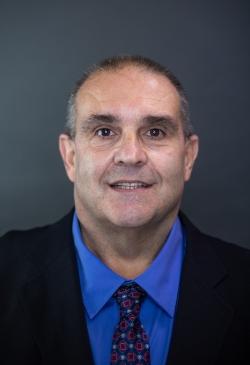
John Kenney has more than 45 years of experience in the roofing industry. His career has included every level of roofing operations, from field installation and estimating through executive leadership. He is CEO of Cotney Consulting Group, a partner member of the International Federation for the Roofing Trades and earned the MIoRdesignation from the former Institute of Roofing in the United Kingdom. He works with roofing contractors to improve estimating, project management, operational performance, leadership and profitability.
Recommended For You
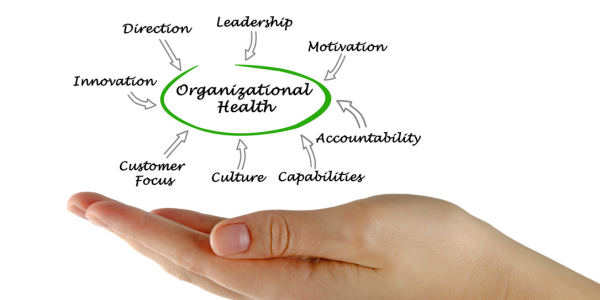
How Healthy is Your Company?
Read More ...
Housing market signals: Why roofing contractors need to watch home sales, rentals and housing trends
Read More ...
Refining performance-based incentive plans for roofing companies
Read More ...
UP TO THE MINUTE







Comments
Leave a Reply
Have an account? Login to leave a comment!
Sign In